
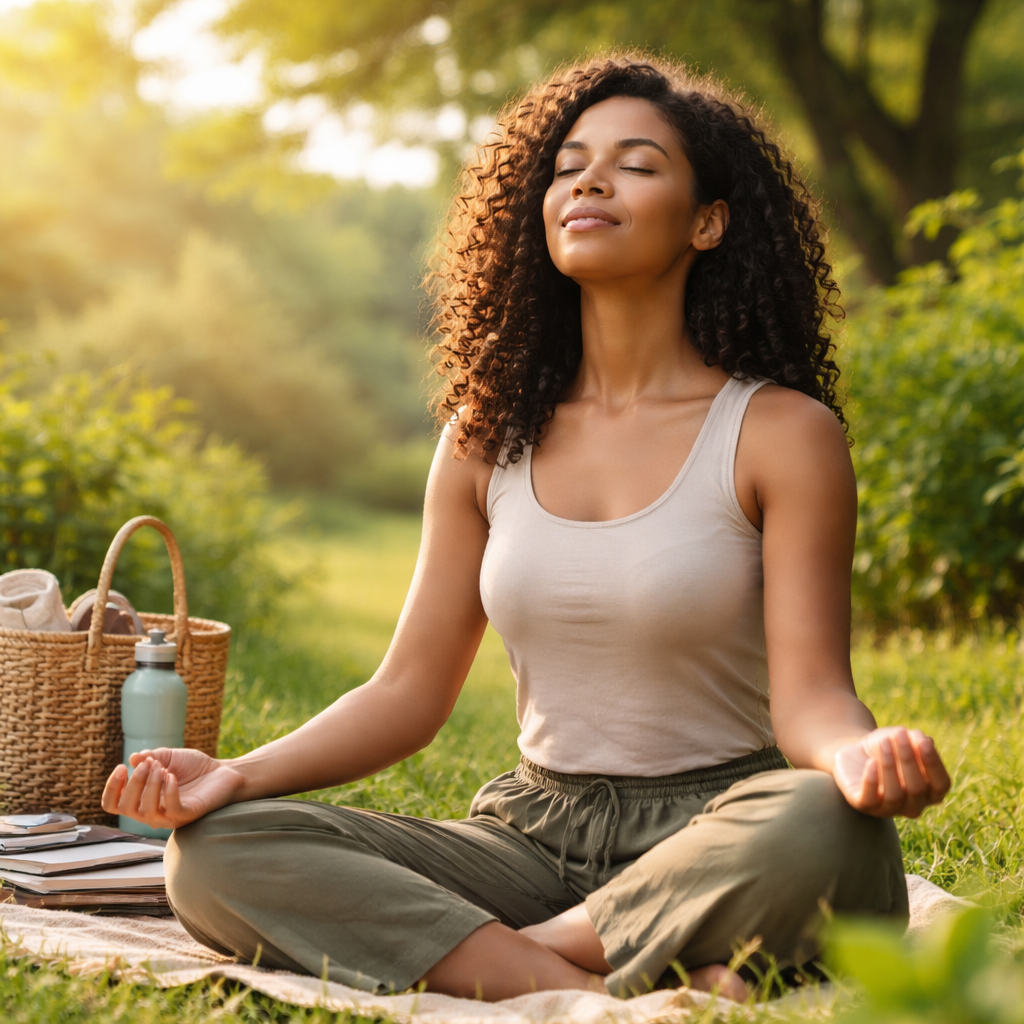
Stress is a natural response to life’s challenges, but when it becomes chronic, it can seriously affect mental, emotional, and physical health. Many stress-management solutions promoted online seem out of reach for people or communities with limited resources. The good news is that there are natural ways to reduce stress that are simple, effective, and accessible to almost everyone.
In this article, you’ll discover affordable stress-relief techniques that support mental well-being and emotional balance, even in low-resource settings.
Conscious Breathing: A Natural and Effective Stress-Relief Tool
Conscious breathing is one of the most powerful and accessible techniques for reducing stress naturally. When we feel anxious, our breathing becomes shallow and rapid, activating the body’s stress response. Slowing down the breath sends a signal to the nervous system that it is safe to relax.
Simple practices such as inhaling deeply through the nose and exhaling slowly through the mouth can reduce heart rate and muscle tension. Techniques like diaphragmatic breathing or the 4-7-8 method can be practiced anywhere, making them ideal for those seeking anxiety relief without medication.
Simple Physical Activity: Movement as Mental Health Support
Physical activity for stress relief doesn’t require a gym or special equipment. Moving the body releases endorphins—chemicals that improve mood and promote relaxation.
Walking, stretching, dancing at home, or doing body-weight exercises are all effective and accessible options. Just 15–20 minutes a day can significantly reduce anxiety, improve mood, and boost energy levels. Consistency matters more than intensity, especially when adapting movement to personal circumstances.
Meditation and Mindfulness: Reducing Anxiety Through Presence
Meditation for stress reduction and mindfulness practices help calm the mind and reduce repetitive, anxious thoughts. Mindfulness means paying attention to the present moment without judgment.
You don’t need long sessions or perfect silence. Even a few minutes of focused breathing or awareness of surrounding sounds can be beneficial. Everyday activities—such as eating, walking, or washing dishes—can also become mindfulness practices when done with intention and presence.
Quality Sleep: The Foundation of Emotional Well-Being
Sleep plays a crucial role in mental health. Lack of sleep increases stress, impairs concentration, and heightens emotional reactions.
Establishing a simple sleep routine can make a significant difference. Going to bed and waking up at consistent times, reducing screen exposure at night, and creating small bedtime rituals—like gentle stretching or deep breathing—help signal the body that it’s time to rest, even when conditions aren’t ideal.
Social Connections: Emotional Support and Mental Health
Social connections are essential for emotional well-being. Sharing thoughts, feelings, and experiences helps reduce isolation and builds emotional resilience.
In low-resource communities, informal support systems—such as conversations with neighbors, family gatherings, or community groups—can be especially valuable. Being heard and supported often reduces stress more than trying to solve problems alone.
Contact With Nature: A Natural Stress Reducer
Spending time in nature has proven benefits for reducing stress and improving mood. Exposure to natural light helps regulate the body’s internal clock, supporting better sleep and emotional balance.
Even in urban environments, small moments outdoors can help. Sitting near a window, walking outside, caring for plants, or simply observing the sky can create a sense of calm and mental clarity.
Personal Expression and Gratitude: Simple Self-Care Practices
Creative expression and gratitude are powerful yet accessible forms of self-care. Writing, drawing, listening to music, or keeping a gratitude journal helps process emotions and shift focus away from constant stress.
Noting small positive moments—no matter how simple—encourages a more balanced mindset and supports long-term emotional well-being. These practices are free, adaptable, and easy to integrate into daily life.
Conclusion: Mental Well-Being Can Be Accessible to Everyone
Caring for mental health doesn’t have to be expensive or complicated. Natural techniques such as conscious breathing, daily movement, quality sleep, social connection, mindfulness, and self-expression are effective tools for managing stress and improving well-being.
Small, consistent habits can create meaningful change over time—and the first step can begin today.

